Best Places to Go Surfing in Florida
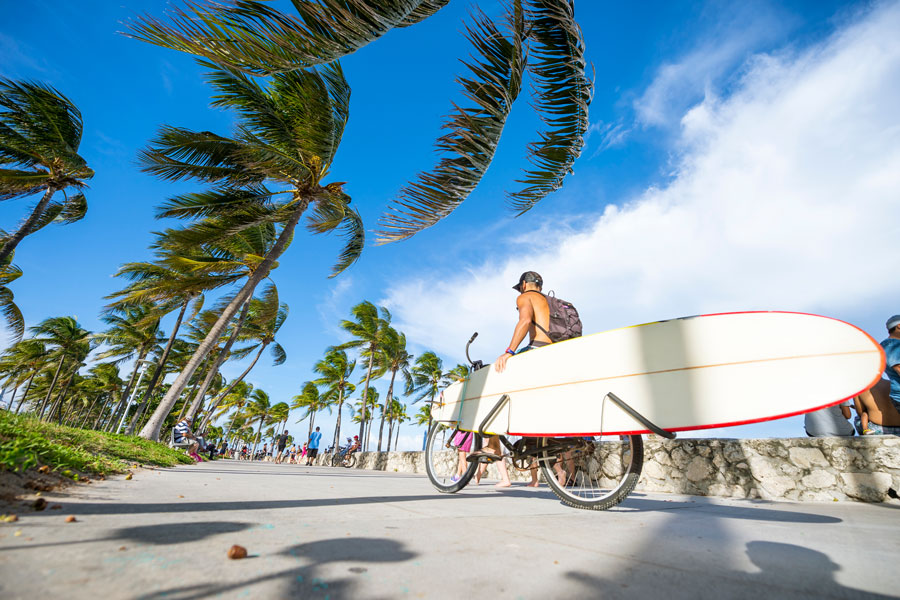
Florida offers a wide variety of surf destinations for both beginners and experienced riders. With warm water much of the year, a long Atlantic coastline, and occasional standout days on the Gulf, the Sunshine State makes it easy to find a beach that fits your skill level. Below is a practical guide to some of the best places to go surfing in Florida, along with seasonal tips and planning advice.
1. Sebastian Inlet State Park – Florida’s Most Legendary Surf Break
- Location: East Coast, between Melbourne and Vero Beach
- Best for: Intermediate to advanced surfers
- Wave Type: Fast, powerful inlet and sandbar waves
- Season: Often best in fall and winter, with stronger surf during cold fronts and tropical swell events
Sebastian Inlet State Park is widely regarded as one of Florida’s top surf spots and one of the most respected breaks on the East Coast. The area is known for steep, quick waves and a strong local surf culture. First Peak is the best-known zone, and on the right swell it can deliver clean, high-performance rides that reward experienced surfers. Conditions can change quickly here, so it is a good spot to watch before paddling out, especially during larger swell events.
2. Cocoa Beach – Florida’s Most Famous Beginner-Friendly Surf Town
- Location: South of Cape Canaveral
- Best for: Beginners to intermediate surfers
- Wave Type: Mellow beach break, often best for learning and longboarding
- Season: Surfable year-round, with better size and consistency during winter and tropical swell periods
Cocoa Beach is the state’s most iconic surf destination and is closely associated with Florida surf history and champion Kelly Slater. The waves are often smaller and more forgiving than at many inlet breaks, which makes the area a natural choice for first-timers and casual surfers. Visitors will also find plenty of surf schools, rentals, and shops, including the well-known Ron Jon Surf Shop. On stronger winter swells, the area can still be fun for intermediate surfers, but its biggest strength is easy access and a welcoming beach-town atmosphere.
3. New Smyrna Beach – Consistent Waves and a Legendary Surf Scene
- Location: South of Daytona Beach
- Best for: All skill levels, depending on conditions
- Wave Type: Consistent beach break with punchy peaks
- Season: Year-round, with some of the better swells arriving in winter and during tropical systems
New Smyrna Beach is one of the most dependable surf destinations in Florida and is a favorite for locals and visiting surfers alike. The area around the inlet is especially popular because it often picks up swell and offers playful, performance-friendly waves. It can also be busy on good days, so expect crowds when the forecast lines up. The beach is also known for frequent marine-life activity, so surfers should stay alert, follow local safety guidance, and use common-sense precautions without letting the reputation overshadow how good the surf can be.
4. Jupiter Inlet – A South Florida Favorite When Winter Swell Arrives
- Location: Northern Palm Beach County, near Palm Beach
- Best for: Intermediate surfers and up
- Wave Type: Fast, punchy beach and inlet-influenced peaks
- Season: Usually best during winter cold fronts and select tropical swell windows
Jupiter Inlet is one of the more reliable South Florida options when swell reaches the area. It is not as consistently surfable as some central Florida spots, but when conditions turn on, surfers can find quick, exciting waves with a more local feel. The town’s beach setting, lighthouse views, and laid-back atmosphere make it an appealing stop for travelers exploring the coast. As with many inlet-adjacent breaks, currents and shifting sandbars can affect the lineup, so conditions are worth checking before heading out.
5. Ponce Inlet – Reliable Surf Near New Smyrna Beach and Daytona
- Location: Near New Smyrna Beach, south of Daytona Beach
- Best for: Intermediate to advanced surfers
- Wave Type: Stronger inlet and jetty-influenced waves
- Season: Fall and winter are often best, with added potential during tropical swell events
Ponce Inlet is a respected East Coast break known for quality surf when the swell is working. The jetties and sandbars can help shape longer, cleaner waves than you might expect from a typical Florida beach break. It tends to appeal more to surfers who are comfortable with stronger currents and faster sections. Compared with some of the state’s busiest beginner beaches, Ponce often feels more local and performance-oriented, while still giving visitors access to the wider Daytona and New Smyrna area.
6. Reef Road – South Florida’s Most Serious Big-Wave Spot
- Location: Palm Beach
- Best for: Advanced surfers only
- Wave Type: Heavy reef break with fast, powerful sections
- Season: Best during major winter swells and select strong tropical swell events
Reef Road has a near-mythic reputation in Florida surfing because it can produce some of the state’s biggest and heaviest rideable waves. It does not break like that every day, but when the right swell arrives, the spot becomes a serious challenge with little room for error. This is not a beginner destination, and even experienced surfers should respect the conditions, access considerations, and local etiquette. For spectators, it can be one of the most impressive places in Florida to watch winter surf light up.
7. Fort Pierce Inlet State Park – Quality Treasure Coast Surf Without the Biggest Crowds
- Location: Treasure Coast, near Fort Pierce and within reach of Vero Beach
- Best for: Intermediate to advanced surfers
- Wave Type: Consistent beach and inlet-adjacent surf with punchy sections
- Season: Often best from fall through winter
Fort Pierce Inlet State Park is a favorite among surfers looking for quality waves in a scenic setting. The break can offer more shape and push than many open beaches, especially when stronger swells arrive. It is also a good option for travelers who want a state-park backdrop and a lineup that can feel a bit less hectic than Florida’s most famous surf centers. As always, conditions vary by tide, wind, and sandbar setup, so one visit can look very different from the next.
8. Panama City Beach – One of the Better Gulf Coast Options
- Location: Florida Panhandle
- Best for: Beginners to intermediate surfers
- Wave Type: Softer beach break, usually smaller than Atlantic Coast surf
- Season: Best during tropical swell windows, strong fronts, and occasional fall surf events
The Gulf Coast is much less consistent for surfing than Florida’s Atlantic side, but Panama City Beach remains one of the better-known places to watch for rideable waves in the Panhandle. Most days are better suited to beginners, longboarders, or travelers who simply want to bring a board and stay ready for a clean swell. When weather patterns line up, surfers can score surprisingly fun sessions against a backdrop of bright white sand and clear water. The key here is timing, since good surf windows can be brief.
Surfing Seasons in Florida
Florida offers surf in every season, but the best conditions usually depend on region, wind direction, and passing weather systems.
- Winter: Often the most reliable season on the Atlantic coast, especially from about December through March, when cold fronts can create cleaner and more frequent swell.
- Hurricane Season (June-November): Late summer through fall can bring some of the strongest surf of the year, but conditions can also become hazardous. Monitor forecasts carefully and do not paddle out beyond your ability.
- Summer: Usually smaller, but still fun for longboarding, lessons, and beginner sessions, especially around accessible East Coast beach towns.
Tips for Surfing in Florida
- Choose the right board: A longboard or funboard is often a great fit for Florida’s smaller days, while punchier winter or storm swell may favor shorter boards.
- Check conditions before you go: Wind, tide, and sandbars make a huge difference in Florida. A spot that looks flat in the morning can improve later, and a fun break can also become much more powerful than expected.
- Respect local safety flags and lifeguards: Rip currents, shorebreak, lightning, and changing weather can all affect a surf session. Follow posted beach guidance and never ignore water-safety warnings.
- Stay aware of marine life: Encounters are uncommon, but awareness matters. Avoid surfing with active baitfish, open cuts, or low visibility, and use extra caution around dawn and dusk.
- Expect crowds at well-known peaks: Popular spots such as Cocoa Beach, Sebastian Inlet, and New Smyrna Beach can get busy when the forecast is good. Early sessions and solid lineup etiquette go a long way.
Florida’s surf scene is diverse, approachable, and full of regional personality. Whether you are taking your first lesson on a mellow beach break or watching for a standout winter swell at one of the state’s better-known inlets, Florida offers plenty of memorable places to paddle out.