Ocala National Forest
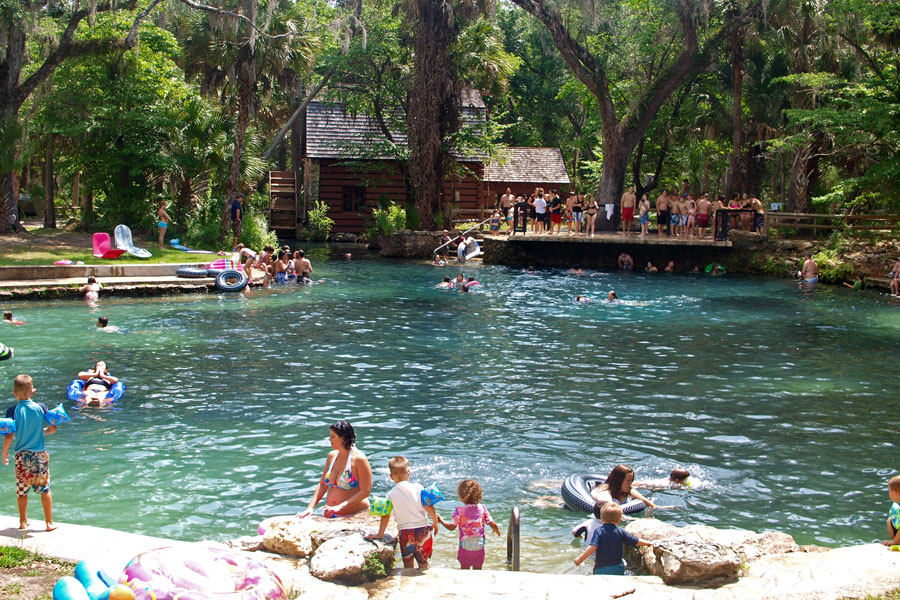
Covering more than 380,000 acres—about 600 square miles—in central Florida, the Ocala National Forest is one of the state’s largest protected landscapes. Established in 1908, it is the southernmost national forest in the continental United States and the second largest in Florida. With longleaf and sand pine forests, hardwood hammocks, clear freshwater springs, lakes, and extensive trail systems, Ocala National Forest is a favorite destination for hikers, paddlers, campers, swimmers, and wildlife watchers looking to experience a wilder side of Florida.
Things to Do in Ocala National Forest
- Swim and Snorkel in Natural Springs
Ocala National Forest is famous for its clear freshwater springs, where visitors can cool off year-round. Hours, fees, and capacity limits may vary by date and season at developed recreation areas:- Silver Glen Springs: Known for its clear water and popular swimming area, with good opportunities for snorkeling and fish viewing.
- Juniper Springs: A beautiful historic spring recreation area surrounded by lush vegetation, offering a spring-fed swimming area and scenic boardwalk views.
- Alexander Springs: A first-magnitude spring with a sandy bottom that is especially popular for swimming, snorkeling, paddling, and diving.
- Salt Springs: Known for its slightly mineral-rich water, this spring is a favorite for swimming, kayaking, and picnicking.
- Hiking and Exploring Trails
The forest offers a broad network of trails through pine scrub, shaded woods, wetland edges, and historic sites:- Florida Trail: Part of the Florida National Scenic Trail, with sections that pass through the forest for both day hikes and longer backpacking trips.
- Yearling Trail: A family-friendly interpretive trail that passes through the remains of an old homestead area associated with Marjorie Kinnan Rawlings’ The Yearling.
- St. Francis Trail: A peaceful route through forest and wetlands, with traces of a long-abandoned settlement along the way.
- Paddling and Boating
The forest’s spring runs, lakes, and connected waterways are ideal for kayaking, canoeing, and small-boat exploration:- Juniper Run: One of Florida’s best-known paddling routes, offering a narrow and scenic wilderness experience. Launch procedures, shuttle service, and availability may change, so plan ahead.
- Alexander Run: A gentle and scenic paddle through clear water and lush vegetation, with frequent wildlife-viewing opportunities.
- Salt Springs Run: A beautiful waterway connecting Salt Springs to Lake George, with chances to spot birds, turtles, and seasonal manatees.
- Camping Under the Stars
Ocala National Forest offers everything from developed campgrounds to more primitive camping in designated areas:- Juniper Springs Recreation Area: Developed campsites near the spring, with easy access to swimming, hiking, and day-use facilities.
- Alexander Springs Campground: A popular campground for families and paddlers, with convenient access to the spring and launch area.
- Salt Springs Campground: A large campground with a mix of tent and RV sites, including sites with hookups.
- Dispersed Camping: More rugged overnight options are available in designated parts of the forest for visitors seeking a quieter backcountry experience.
- Wildlife Watching
Ocala National Forest supports a wide variety of wildlife thanks to its mix of springs, scrub, flatwoods, and lakes:- Watch for Florida black bears, white-tailed deer, otters, turtles, and smaller mammals while exploring the forest.
- Birders may spot bald eagles, ospreys, hawks, woodpeckers, wading birds, and seasonal migratory species.
- Early morning and late afternoon are often the best times for wildlife viewing.
- Off-Roading and OHV Trails
Designated OHV areas let riders explore sandy forest terrain by ATV, UTV, or motorcycle:- Ride only on designated trail systems and be prepared for permits, safety requirements, and seasonal conditions.
- Popular options include the Ocala Centennial OHV Trail system and access areas around Big Scrub.
Additional Activities
- Picnicking
Enjoy a scenic meal at designated picnic areas near springs, trailheads, and recreation sites, many with tables, grills, or shelters. - Fishing and Hunting
The forest’s rivers, lakes, and ponds offer excellent opportunities for anglers and licensed hunters:- Fish for bass, catfish, bluegill, and crappie in waters such as Lake George, nearby lakes, and the Ocklawaha River system.
- Seasonal hunting is permitted in designated areas with the proper licenses, permits, and adherence to current regulations.
- Scuba Diving
Some spring areas, especially Alexander Springs and Salt Springs, are known for clear water that can appeal to certified divers. Conditions, access rules, and suitability may vary.
Amenities & Facilities
- Recreation Areas: Developed areas such as Juniper Springs, Salt Springs, Alexander Springs, and Silver Glen Springs offer restrooms, picnic facilities, and day-use amenities.
- Campgrounds: The forest includes both developed campgrounds and more primitive camping options, with amenities varying by site.
- Boat Launches and Water Access: Launch areas for kayaks, canoes, and some motorboats are available at selected springs, runs, and lake access points.
- Information Kiosks and Ranger Resources: Visitors can find maps, regulations, and recreation updates at kiosks, fee stations, and official USDA Forest Service resources.
- Parking Areas: Designated parking is available at major recreation areas, campgrounds, and trailheads.
Accessibility
Accessibility features vary by recreation area, but many of the forest’s developed sites include accessible parking, restrooms, picnic areas, and improved walkways or boardwalk sections.
- Developed Springs Areas: Recreation areas such as Juniper Springs, Salt Springs, and Alexander Springs may offer accessible visitor amenities in day-use sections.
- Campgrounds and Picnic Areas: Select campsites, restrooms, and picnic facilities may be designed for accessibility.
- Before You Go: Because conditions and available features can change, visitors with specific mobility or accessibility needs should confirm current details with the USDA Forest Service before traveling.
Tips for Visiting the National Forest
- Plan Ahead: Check official forest alerts, recreation-area notices, weather, and water conditions before your visit.
- Expect Changing Hours and Fees: Day-use areas, campgrounds, and spring access may operate on seasonal schedules, and some areas may temporarily close or reach capacity.
- Bring Essentials: Pack sunscreen, insect repellent, plenty of drinking water, and sturdy footwear for trails and sandy terrain.
- Prepare for Limited Cell Service: Some parts of the forest have spotty coverage, so download maps and directions in advance.
- Respect Wildlife: Observe animals from a safe distance, secure food properly, and never feed wildlife.
- Leave No Trace: Help protect the forest by packing out trash, staying on designated routes, and respecting natural and historic resources.
- Know the Rules: Fishing, hunting, camping, and OHV use all have specific regulations, permits, or reservation requirements depending on location.
Vicinity of the Forest
Nearby Attractions
- Silver Springs State Park: Famous for its glass-bottom boat tours, paddling routes, and lush spring-fed scenery.
- Ocklawaha River: A scenic regional waterway popular for kayaking, canoeing, fishing, and wildlife watching.
- Lake George: Florida’s second-largest lake, offering boating, fishing, and access to connected waterways.
- Downtown Ocala: Explore historic architecture, restaurants, shopping, and cultural attractions within easy driving distance.
Why Visit Ocala National Forest?
Ocala National Forest offers one of Florida’s most memorable combinations of springs, trails, forests, and open-air adventure. Whether you want to swim in clear spring water, hike through scrub and pine flatwoods, camp beneath the stars, paddle a winding run, or simply enjoy a quieter side of the state, the forest delivers a classic Florida outdoors experience. Its variety of recreation areas and natural habitats makes it just as appealing for a relaxed day trip as it is for a full weekend escape.
For official updates, recreation details, alerts, and planning information, visit the USDA Forest Service’s Florida National Forests website: https://www.fs.usda.gov/r08/florida/recreation/ocala-national-forest