Crane Point Museum & Nature Center
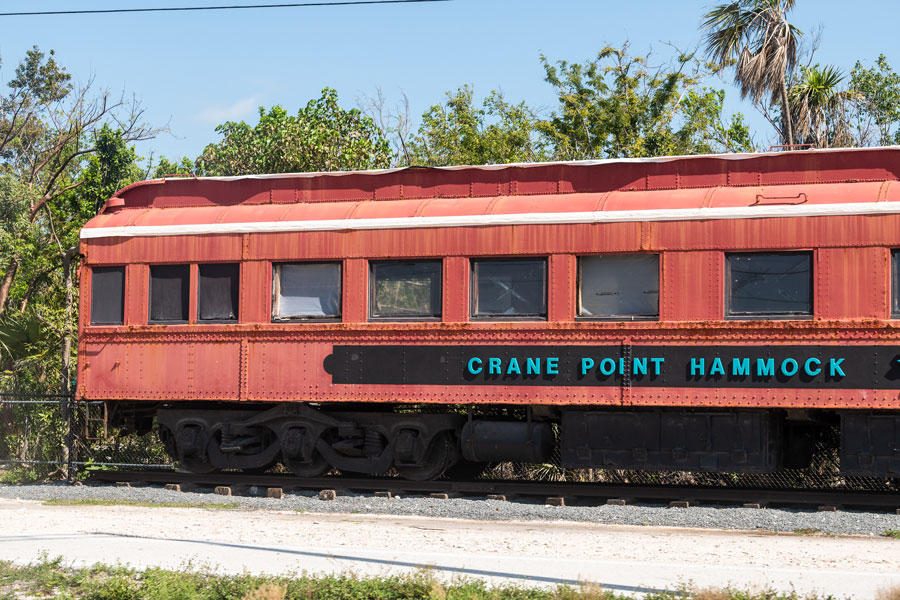
Located in the heart of Marathon in the Middle Florida Keys, Crane Point is a peaceful 63-acre ecological and cultural preserve often referred to as Crane Point Hammock. The site combines tropical hardwood hammock, mangroves, shoreline views, historic structures, and educational exhibits in one walkable destination. For visitors who want more than a beach day, it is one of the most rewarding places to explore the natural history and heritage of the Florida Keys.
Expect a mix of shaded trails, boardwalks, museum spaces, bird rehabilitation areas, and quiet places to slow down and look around. Hours, admission, and program availability may vary by date, so it is smart to check the official website before visiting.
Things to Do at Crane Point
- Walk the Nature Trails
Explore paths that wind through several classic Keys habitats:- Tropical Hardwood Hammock: See native trees and dense vegetation that create one of the preserve’s signature landscapes.
- Mangroves and Shoreline Areas: Follow shaded routes and boardwalk sections with views of tidal waters, creeks, and coastal scenery.
- Interpretive Stops: Signs and exhibits along the way help explain the plants, wildlife, and environmental importance of the site.
- Browse the Museum Exhibits
Indoor exhibits add context to what you see outdoors:- Learn about the ecology, geology, and human history of the Florida Keys.
- Discover stories connected to Native peoples, early settlers, and life on the islands.
- Displays are typically family-friendly and help make the preserve more meaningful for first-time visitors.
- See the Historic Adderley House
One of the site’s standout landmarks is the Adderley House, a rare early Keys home:- Built by a Bahamian family in the early 20th century, it offers a glimpse into pioneer life in the Florida Keys.
- The structure is an important reminder of the cultural influences that helped shape Marathon and the surrounding islands.
- Visit the Marathon Wild Bird Center
Crane Point is also known for its wild bird rehabilitation and education efforts:- You may be able to observe recovering birds in outdoor enclosures, depending on current rehabilitation needs.
- Interpretive information helps visitors understand the challenges facing native and migratory bird species in the Keys.
- This is often a memorable stop for families, photographers, and wildlife lovers.
- Enjoy the Gardens and Scenic Areas
In addition to the trails, Crane Point includes landscaped spaces that invite a slower pace:- Look for butterfly-friendly plantings, native vegetation, and quiet spots for photos.
- The preserve’s mix of greenery, historic features, and water views makes it especially appealing for a relaxed walk.
Additional Activities
- Photography and Wildlife Observation
Bring a camera or binoculars to watch for birds, butterflies, lizards, and classic Florida Keys scenery. - Educational Programs
Guided walks, school programs, talks, and special events may be offered throughout the year. - Pair It with Nearby Outdoor Time
After your visit, Marathon offers nearby opportunities for paddling, beach time, and additional wildlife experiences.
Amenities & Facilities
- Visitor Reception Area: Admissions, orientation information, and staff assistance are typically available near the entrance.
- Museum Spaces: Indoor exhibits help round out the preserve’s natural and historical experience.
- Gift Shop: A small shop may be available for souvenirs, books, or nature-themed items.
- Restrooms and Parking: Basic visitor amenities are available on-site; parking is generally convenient for most visitors.
Accessibility
Accessibility features can vary across the preserve, but visitors will generally find a mix of easier pathways and more natural surfaces.
- Boardwalks and Main Paths: Some portions of the site are easier to navigate for strollers and wheelchairs than the more rustic trails.
- Indoor Areas: Visitor and exhibit spaces are typically the most accessible parts of the experience.
- Check Ahead if Needed: If you need specific accessibility details, it is best to contact Crane Point directly before your visit.
Tips for Visiting Crane Point
- Wear Comfortable Shoes: Even well-kept paths can include uneven surfaces, roots, or gravel in some areas.
- Bring Water and Sun Protection: Shade helps, but Marathon can still feel hot and humid for much of the year.
- Use Insect Repellent: Mosquitoes and other insects can be more noticeable around mangroves and after rain.
- Check Hours and Admission in Advance: Hours, fees, tours, and special programs may change seasonally or by day.
- Visit Earlier in the Day: Morning visits are often more comfortable and can be especially good for wildlife viewing.
- Respect Wildlife: Observe animals from a distance and stay on marked paths when exploring the preserve.
Vicinity of Crane Point
Nearby Attractions
- Sombrero Beach: A popular Marathon beach for swimming, relaxing, and catching sunset views.
- Seven Mile Bridge: One of the Florida Keys’ most iconic drives, with memorable open-water scenery.
- Turtle Hospital: A well-known Marathon stop focused on sea turtle rescue, rehabilitation, and education.
- Bahia Honda State Park: Famous for its beaches, snorkeling, and classic Lower Keys views.
Why Visit Crane Point?
Crane Point stands out as one of Marathon’s best places to experience the natural and cultural side of the Florida Keys. Instead of a fast stop, it rewards visitors who want to wander shaded trails, learn local history, see native habitats up close, and enjoy a quieter side of the islands. With its combination of nature, education, and heritage, Crane Point offers a meaningful break from the more commercial pace of a Keys road trip.
For more information, visit the Crane Point Museum & Nature Center official website  .
.