Tallahassee, Florida
Florida’s capital city, Tallahassee is much more than the seat of state government. Set among rolling hills, canopy roads, universities, and historic neighborhoods, it blends politics, arts, outdoor recreation, and deep North Florida history. The Tallahassee area is also closely tied to early Spanish exploration and the Apalachee homeland, including the site of Hernando de Soto’s winter encampment in 1539–1540.
About the Community
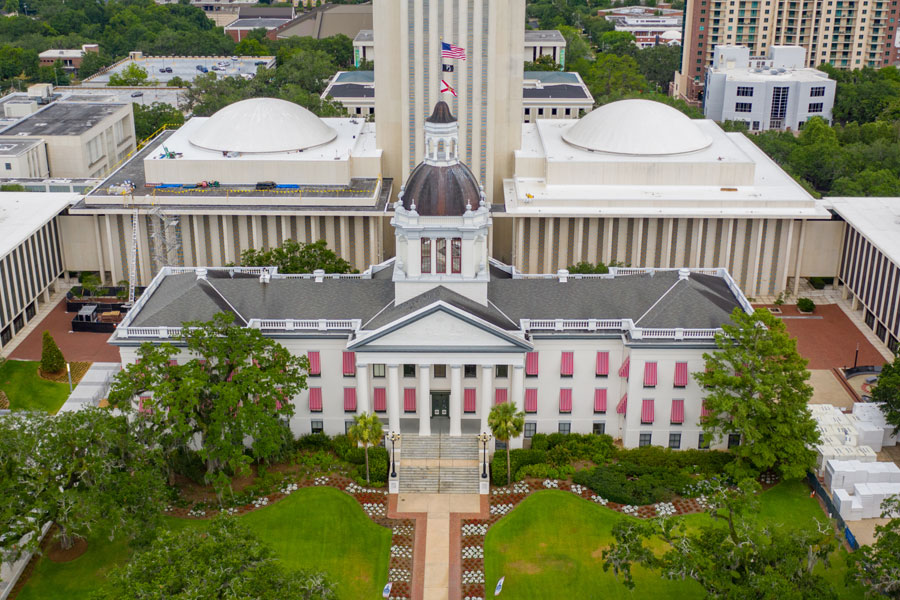
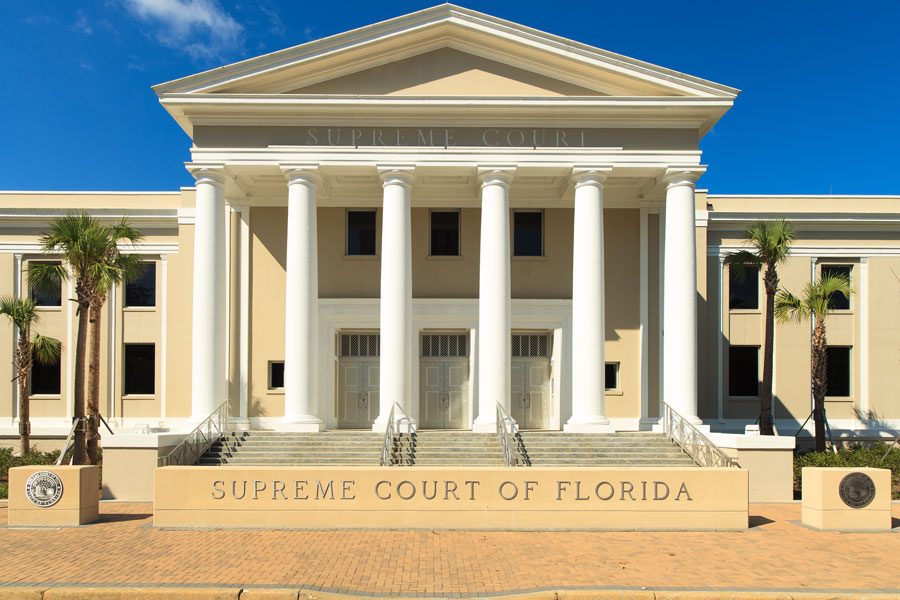
The Capitol buildings reflect both Tallahassee’s history and its present-day role in state government. Visitors may be able to view legislative activity from public galleries in the Florida Capitol and, when access is available, enjoy broad city views from the 22nd-floor observation level. Next door, the Florida Historic Capitol Museum interprets state political history inside restored House and Senate chambers, the Supreme Court, and the Governor’s suite. Nearby memorials and public spaces around the Capitol Complex add even more context for a downtown visit.
Important Links (Suggest / Report)

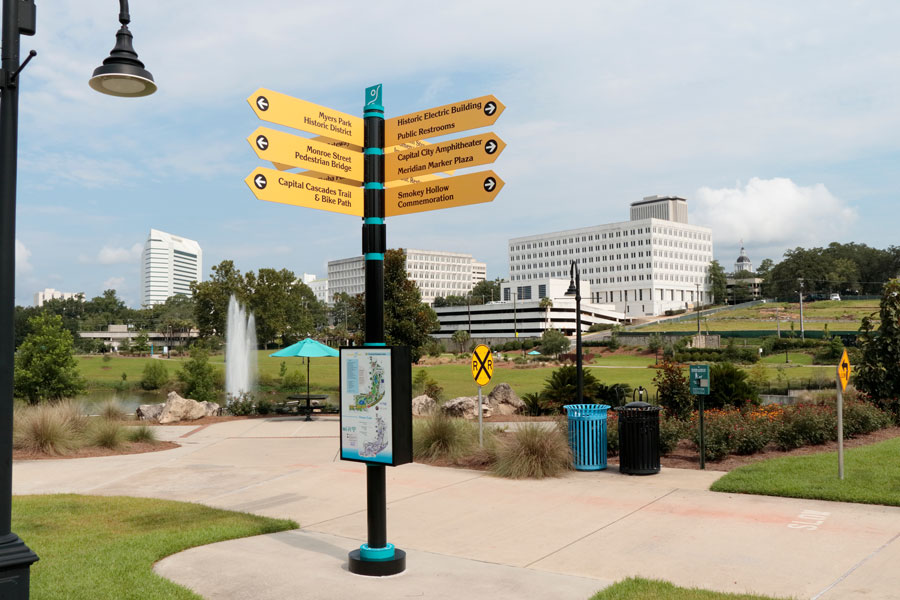
Tallahassee has a strong mix of museums, parks, and cultural spaces. Cascades Park is a popular downtown gathering place with walking paths, open lawns, public art, and an amphitheater that hosts concerts and community events throughout the year. The Tallahassee Museum spans more than 50 scenic acres with nature trails, native wildlife exhibits, an 1880s farmstead, and family-friendly programs. Art lovers can also explore venues such as Railroad Square Art District and LeMoyne Arts, where exhibitions and event schedules change regularly.
Vicinity of Tallahassee
Additional Details
Other favorite stops include the Museum of Florida History, which explores the state’s past from prehistoric Florida through modern times; the Tallahassee Automobile Museum, known for collectible vehicles and Americana displays; and Mission San Luis, a reconstructed 17th-century Spanish mission and Apalachee town that brings the colonial era to life. Hours, exhibits, and program availability at these attractions may vary by date.
Tallahassee has many properties listed on the National Register of Historic Places. A walk through the Calhoun Street Historic District – once nicknamed “Gold Dust Street” for its prosperous residents – reveals notable homes and historic architecture. The Park Avenue Historic District links a series of green spaces, historic residences, and mature landscaping near downtown. Downtown parks and nearby public spaces also host community markets, arts events, and seasonal gatherings, with schedules that vary throughout the year.
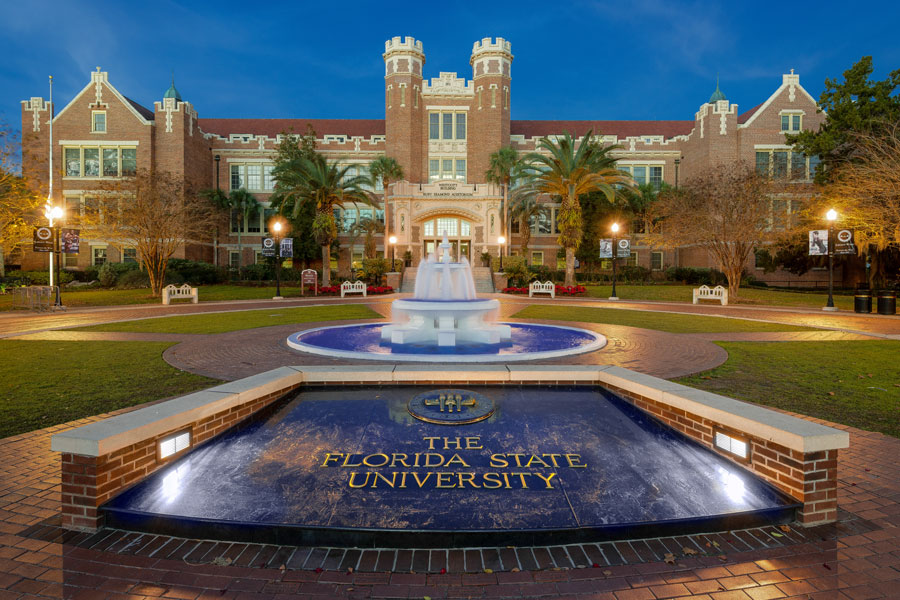
Built in 1890, the John G. Riley House Museum is one of Tallahassee’s most important African American heritage sites, interpreting local history from Reconstruction through the civil rights era. Tallahassee is also shaped by its major universities, Florida State University and Florida Agricultural and Mechanical University (FAMU). FAMU, founded in 1887, is one of the nation’s leading historically Black universities and is widely known for its academics and its famed Marching 100 band.